
Sunscreen: Sunscreen!! What is the ideal SPF for our skin?;
Using sunscreen is one of our most powerful skin care tools. Protecting skin from the sun's harmful rays not only keeps skin healthy as we age, but it also helps prevent skin cancer.
But with so many options available, deciding which sunscreen is best for our needs can seem difficult. It is also worth noting that the type of sunscreen we wear depends on many factors, such as time spent in the sun, whether we will sweat or get wet and which formula suits our skin type.
Maybe this handy guide here to help. We asked experts to break down the most confusing parts of sun protection to make sun shopping a breeze.
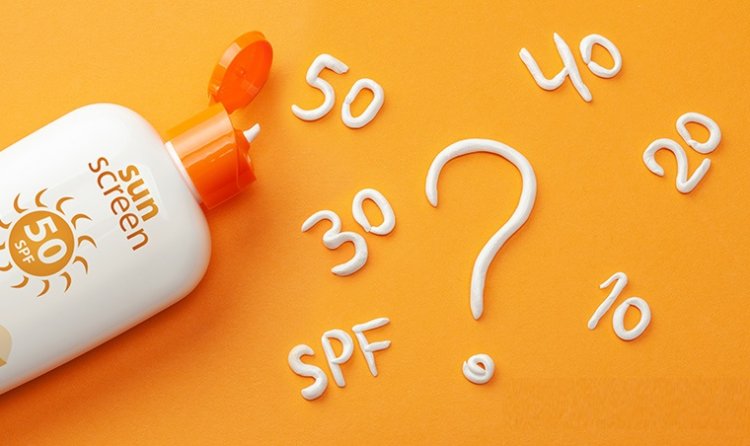
Understanding SPF and sunscreen basics
What exactly does it mean? “SPF” [Sand Protection Aichiactor] anyway; SPF indicates the degree of sun protection. Nouns, it measures how well the sunscreen can protect our skin from the sun. “When applying sunscreen with SPF, the product forms a protective barrier on your skin that absorbs or reflects the sun's UV radiation”, explains clinical dermatologist Jake Woods.
There are two different types of UV rays that we need to protect our skin from: UVA and UVB.
Woods explains the differences between the two:
– UVA rays: longer wavelength- penetrate deeper into the skin, causing premature aging and wrinkles
– UVB rays: shorter wavelength- responsible for sunburns and skin cancer
Sunscreens labeled broad-spectrum protect the skin from both types of UV rays, blocking or absorbing them, depending on the sunscreen formula you choose.
Initially, SPF numbers were created to determine how long a person could stay outside without getting sunburned. So, theoretically, an SPF index 30 would provide protection for 30 minutes before a new application is needed. Recent years, the use of SPF numbers for this determination has been scrutinized for several reasons. Initially, SPF numbers only refer to the level of protection offered against UVB rays. Studies have found that high SPF numbers do not provide enough UVA protection to match this time frame.

What to keep in mind when choosing a sunscreen
Most experts recommend wearing a broad-spectrum sunscreen with an SPF every day 30 or higher and apply every two hours. The Fitzpatrick scale can be a useful model if we are looking for a solution based on your skin type.
“The Fitzpatrick scale categorizes skin types into six categories based on the amount of melanin in the skin, which determines how the skin responds to UV radiation”, Woods explains. “People with light skin types have less melanin and are more prone to sunburn, while people with darker skin types have more melanin and are less prone to sunburn, but they may still be at risk of skin damage”.
Experts agree that this scale should only be used as a guide. “Everyone's skin is unique and may require different levels of sun protection”, says Woods. “It is always best to consult a dermatologist or healthcare professional for personalized sun protection advice”.
The intensity of the sun's rays varies depending on where we are and what time of day we are in the sun, so it is important to choose a sunscreen with adequate protection if we are going to go outside during the peak of the sun or if we live or travel near the equator for example.
If we are going to sweat or get wet, board certified dermatologist Purvisha Patel, MD, recommends choosing a waterproof formula for added protection. She also notes that children and older adults may need a sunscreen formulated for sensitive skin. In these cases we choose a higher protection index and repeat often.

Expert advice
– We use a broad-spectrum sunscreen with SPF every day 30 or higher. We select the appropriate protection index based on your individual needs and circumstances.
– We apply sunscreen before leaving the house, at least 15-30 minutes before going out.
– We protect ourselves from the sun (we wear a hat, we sit in the shade and wear long sleeves).
– We repeat the application often- every two hours or after swimming or heavy sweating. Every time we will need 1-2 shots full of sunscreen every time.
– We don't forget the lip sunscreen, with a protection index of at least SPF 15.

Ingredients and potential hazards
While chemical and mineral sunscreens protect from the sun, some obvious concerns may arise for a “chemical” sunscreen.
“There is concern that the chemicals in sunscreens can be absorbed into the bloodstream and potentially cause harm”, says Woods. “However, studies have shown no evidence of harm from absorbing sunscreen, and the benefits of using sunscreen to protect against skin cancer and premature aging far outweigh any potential risks”.
Chemical sunscreens work by absorbing UV rays before they penetrate your skin!!
“The active ingredients of chemical sunscreens, such as oxybenzone and avobenzone, they create a chemical reaction on the surface of the skin that absorbs UV rays and turns them into heat, which is then released from the body”, explains Woods. Mineral sunscreens, also known as natural sunscreens, they work by naturally preventing UV rays from penetrating the skin.
“The active ingredients of mineral sunscreens, such as zinc oxide and titanium dioxide, they create a barrier on the surface of the skin that reflects UV rays away from the skin”, says Woods.
Mineral sunscreens tend to be less irritating to the skin than chemical sunscreens. However, tend to be more expensive than chemical sunscreens and leave a white residue on the skin. Both types of composition certainly protect the skin from the sun, so it's a matter of preference.
Patel recommends using mineral sunscreens for those with sensitive skin, to avoid irritations.
“If you have sensitive skin, use a hypoallergenic formula”, says Patel. “Stay away from ingredients like oxybenzone, avobenzone, η Paba, octocrylene and octinoxate, as these are found in chemical sunscreens and can irritate the skin”, says.
So next time we buy sunscreen, we will choose a broad-spectrum sunscreen that protects against UVA and UVB rays with an SPF of at least 30.
If we know we will pass all day in the sun, we apply sunscreen to our skin every two hours and take breaks in the shade.
“Remember that sunscreen is a key part of protecting your skin from the sun's harmful rays and preventing skin cancer and premature aging”, says Woods.
“By taking the time to choose the right sunscreen and using it properly, you can enjoy your time outdoors, while keeping your skin healthy and safe”.
