

Love Your Leftovers!!
Culinary economy does not mean stinginess nor of course less quality in the recipes, on the table and on the plate. In the kitchen, all materials are used to the maximum…..

Each cut of meat has its own cooking method, the bones
(animals, poultry and fish) they become broths, the vegetables are combined
in salads, they are baked, they boil, they go into sauces. It is given
priority to fresh ingredients and they always arrive at the table earlier
whichever expires first!!
(animals, poultry and fish) they become broths, the vegetables are combined
in salads, they are baked, they boil, they go into sauces. It is given
priority to fresh ingredients and they always arrive at the table earlier
whichever expires first!!
This golden rule sets the plan,
something that is so simple and practical, as self-explanatory. The fundamental
essence of simple economy in the kitchen does not change.
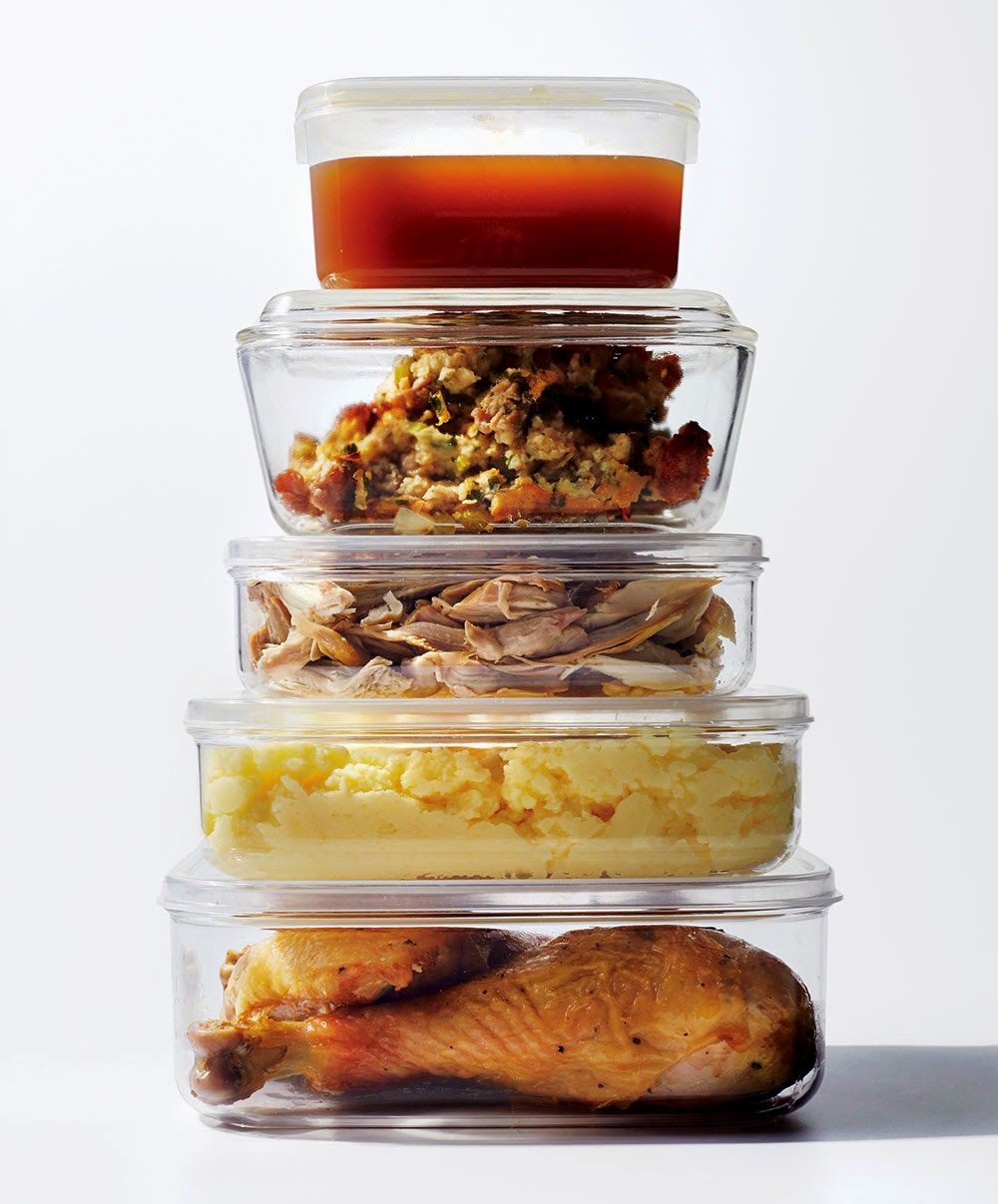
Culinary economy does not mean stinginess nor of course less quality in the recipes, on the table and on the plate. It means excellent raw material and therefore together, its maximum utilization. The purchase of ingredients is just as important in a restaurant as in a home, despite the different size scale. In both cases it affects the budget directly accordingly. In a restaurant, sensitive ingredients with a shorter shelf life appear more often on the menu, so that they are consumed even if customers do not order a particular dish.

The organization of the restaurant records the,what “it doesn't go away” and adjusts grocery orders and food options or makes so-called “dishes of the day”, utilizing with other recipes the raw materials that must not be canceled by the uncompromising expiration date.
But the same applies to the house. So I borrow, from the operation of the restaurants some basic parameters and I list them here to refresh all of us that sometimes the speed of everyday life makes us pass by.

10 key points for cooking economy with quality, which are easily made in every kitchen
- grate the bones to make broths. They are so much better than ready made and super easy to make.
- Grilled meat (in the oven or pot), turkey or even chicken that, although well cooked, left over, it is combined with other ingredients to make a souffle, blanket, meatballs or croquettes, goes cold in salads and sandwiches.
- The head of medium or larger fish, if you don't belong to those who eat even his brain and ends up serving decor, it makes delicious fish soup. So keep it and don't cook it separately.
- Vegetable stalks and sprouts, in addition to being used in many recipes, they are made into gratins and purees or put into broths and flavor them with their freshness.
- Stale bread replaces ready-made galette in every recipe and is used for breading, filling or nice croutons.
- Cooked pulses combined with vegetables, cheeses or cured meats become delicious tarts.
- Coffee grounds (Greek, french and espresso) they become fertilizer for plants.
- The daughters of hard cheeses, especially parmesan or grana, are added to soups or broths and give extra flavor.
- Most foods are frozen. If for some reason you had too much inspiration in quantity, The,what from the beginning shows that it will be left over, put the freshly cooked (as soon as it cools down) in the freezer.
- End, cook fresh and put in the freezer the ingredients that you will not use for any reason while their freshness lasts. Soups, sauces, cooked meats, stuffed crepes, vegetables etc. they keep comfortably for quite some time, and when properly heated will be as if you had just made them. So you don't throw away what you paid for and you save time at another time, already having a nice meal ready.