The world in which we live is gematos synthetic chemicals, most of which are toxic. They are located everywhere, in…….
our food and all the objects we touch.
There is no doubt that the explosion of cases of multiple chemical sensitivity (MCS) related infection. But if you think that pollution is just outside the atmosphere , very lathos.I technology "toxins" has katoikoedrefsei inside your home, and what the situation is threatening than, you can imagine.
The case insidious is that these toxins poison your most often, even while koimaste.To 95% these are the fragrances, deodorants, body creams, cleaning products, colors, new carpets, smoke, shampoo, gasoline and other petroleum products, such as acetone, camphor, petrol, aldehydes, ethanol, and other.
Other indoor pollutants should be more obvious to you:.
Pesticides (as anti-lice products) or solvents (of colors, varnishes, adhesives, treated wood, synthetic fabrics and carpets, and detergents).
"Mild" symptoms of our everyday exposure to these chemicals are fatigue, disorientation, muscle pain, joint pain, eczema, rash, dizziness, drowsiness, motion sickness, swelling of body (swelling), acceleration of breathing, flu symptoms, asthma, palpitations, high pressure, sinusitis, anxiety, pneumonia, headache, memory loss, reduced focusing ability, insomnia, irregular heartbeat, intestinal problems and mood disorders (Depression and mood swings) (and not only those)
about 37% Americans are allergic to synthetic chemical odors, ventilation gases, smoke, recently expanded and colors, new carpets and perfumes.
In the long term, This report translates into cancers. How and how much we are affected by this depends on our genes, the age, sex, feeding, health and mood (which affects the immune system), whether we take drugs, medical history and lifestyle (drink, smoking, drug consumption).
Modern houses and buildings, designed for energy efficiency, j often sealed tight to prevent the energy loss from the heating and air conditioning systems.
The ventilated air inside buildings recycles all kinds of solvents, including formaldehyde (a highly toxic chemical).
Synthetic materials that are used in modern construction have been found to release large amounts of contaminants which remain trapped within the non-ventilated buildings and the carpets aggravate the situation by absorbing many solvents which are then gradually released over long periods.
All this is the cause of "sick building syndrome".
Poor indoor air quality only costs US $ dozens of billions annually in lost productivity and medical perithalpsis.Stin Australia, about 75% of buildings affected by the "sick building syndrome" and 9% workforce absent at least one day off work every fortnight because of illness associated with this. A good night's sleep in a well ventilated area, healthy diet (including food supplements), and exercise (perspiration eliminates poisons from the body).They protect us from infection.
But here comes a 2-year study of NASA and shows us an unexpected, cost effective, environmental friendly, low-cost and completely natural method of detoxification for our homes: common houseplants.
NASA is aiming to assess environmental issues, both on Earth, as much and habitats in space , and this new study was led by Dr. Bill Wolverton, former senior researcher at John C. Stennis της NASA Space Center, in Bay St Louis, showed that plants (more specifically leaves) It is known to operate as air pumps.
Cacti absorb radiation of Monitors, cordless phones and cleanse the atmosphere than carbon dioxxeidio.
In daylight, They take carbon dioxide from the air to make photosynthesis.
Furthermore, breathe all the time. This means that they receive oxygen from the air and release of carbon dioxide.
The plants also transpire, mainly through their leaves. Water and gases moving in and out of small pores called orifices.
Whether closed the inlets open this indicates whether it is active plants are at a given time.
Because sweat plants, properly keep the room humidity.
Among animals, mussels and oysters function as water pumps that receive the small particles of food and oxygen from water and release the carbon dioxide and waste.
But also known to accumulate toxins from contaminating water (such as heavy metals and hydrocarbons), with many serious incidents of poisoning of people who ate such fish.
Well, what NASA has found is that certain plants can act as a real "air oysters" at home, for the accumulation of toxins pose to your health and ultimately your life.
19 species and varieties of ornamental plants have been tested for their effectiveness in the removal of the main toxins related to indoor air pollution.
From these 17 are conventional permanent houseplants, and 2 articles used indoors as seasonal decorations.
Houseplants are tropical or subtropical species grown under tropical dense canopies, thus survive in low light conditions, and they are more effective at absorbing gases, including toxic ones.
Plants don't just absorb pollutants from their leaves , but also through the roots and roots associated with their bacteria.
Few indoor plants have proven to be so effective at absorbing air toxins, so they have thought they could start incorporating them in space into biological life support systems on future spacecraft, on space stations.
"The study showed that common indoor plants can remove certain pollutants from the indoor environment.
We consider that the results of. they provide us with an even stronger argument that common indoor ornamental plants can be very effective.
Each plant species was tested in sealed Plexiglas chambers, which were injected with chemicals.
The tested chemicals included are:
Benzene is the most common solvent in many species, such as gasoline, inks, olive, colors, plastics, and rubber, but it also enters into the composition of explosives, detergents,, pharmaceutical products, foams and paints.
It is irritating to skin and eyes (repeated contact causes drying, inflammation, blisters and dermatitis), embryotoxic and cancer-causing agent.
It has been linked to human leukemia.
Benzene vapors can cause dizziness, weakness, euphoria, headache, motion sickness, blurred vision, respiratory diseases, chills, cardiac arrhythmia, liver damage and kidney failure, paralysis and unconsciousness.
Animal tests have resulted in cataract formation and diseases of the blood and lymph.
Chronic exposure causes headaches, loss of appetite, drowsiness, nervousness, psychological problems and blood diseases (such as anemia) and bone diseases.
The champions of plants in removing benzene seem to be: the ivy, the gerberas, the daisies, chrysanthemum, the lily, the bamboo , and sansiveria (Sansevieria trifasciata).
Depending on the source of the benzene, each plant is specialized.
They are important Chinese evergreens and chrysanthemums (Chinese Evergreens and pot mums), it's for the benzene that comes from detergents.
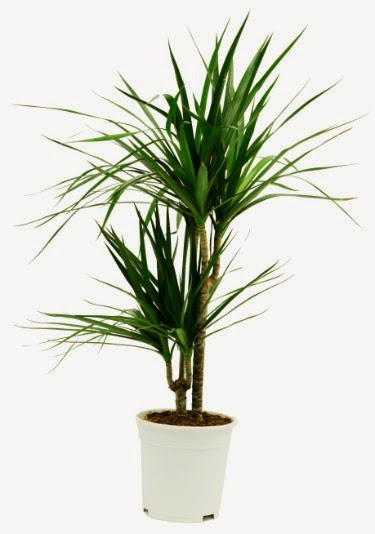
Dracaena (dracaena) for ink-derived benzene, the paints, tobacco and rubber, formaldehyde from carpets and furniture and trichlorethylene (TCE) which comes from the adhesives, ink, paints, varnishes, and colors.
The ivy easily absorbs and filters toxins and benzene from petroleum products, as well as formaldehyde from cleaning products, the Gerbera daisy (gerbera daisy ) benzene from plastics and trichlorethylene TCE from adhesives.
Formaldehyde is even more common than benzene, and more toxic.
It is abundant in urea-formaldehyde foams, novopan or pressed wood products from which most of the office furniture is made today.
It appears to be present in paper treated with UF resins (Urias Formaldeudis), even in grocery bags, on waxed paper, tissues and paper towels.
Most common household cleaners have formaldehyde.
UF resins are used as reinforcing sheets, anti-wrinkle creams, water purifiers, fire retardants and adhesives in floor coverings, carpets and in dry cleaners, while simple formaldehyde abounds in natural gas, in kerosene, and in cigarette smoke.
This chemical substance is an irritant of the mucous membranes of the eyes, of the nose and throat, and causes dermatitis and headaches.
Formaldehyde is a common cause of asthma and has been linked to laryngeal cancer.
The best plants for removing formaldehyde turned out to be bamboo or chamidorea cleans formaldehyde from carpets, and trichlorethylene TCE from adhesives, the sansiveria (Sansevieria trifasciata). cleans formaldehyde from papers, the spathiphyllum, lily (peace lily) in addition to cleaning TCE from cleaning products, cleans formaldehyde from carpets and furniture, the lust, (epipremnus),philodendron and Dracaena warneckei and marginata, they clean formaldehyde from carpets and furniture, fig the formaldehyde from the UF foams, ivy removes formaldehyde from cleaners and chlorophytum removes formaldehyde from plywood and chipboard.
Trichlorethylene (TCE), widely used in metal degreasing, in dry cleaning and industries, printing inks, colors, varnishes, varnishes, adhesives.
TCE is a strong carcinogen, especially for liver cancer.
The best TCE removing plants were.
The lily (peace lily) cleans TCE from cleaning products,
the Dracaena (dracaena) removes TCE from adhesives, ink, paints, varnishes and paints ,
the gerbera daisy (gerbera daisy) and
the hamidorea bamboo (bamboo palm) the TCE from the adhesives,
the Dieffenbachia capable of eliminating atmospheric pollutants
the Sykonio filters the air
Here is a table of pollutants and plants: